BriefingsWeekly Briefing
AI Commerce Weekly: Week 24, 2026
The card networks built the agentic rails, Salesforce shipped the platform answer, and UK shoppers said the quiet part: they still don't trust it.
·14 min read
In-depth coverage of AI in commerce, retail technology, and e-commerce innovation.
Showing 13–24 of 86 articles
The card networks built the agentic rails, Salesforce shipped the platform answer, and UK shoppers said the quiet part: they still don't trust it.
The UK's first agentic checkout, three consumer datasets that agree, resale's trust problem, and Kingfisher's line: technology can be bought, trust has to be earned.
The week vendor stacks, hires and procurement timetables converged. Inditex's data architect crossed to H&M, Klarna landed in ChatGPT, and AWS productised Alexa-for-Shopping.
The week the UK public sector, payments industry, fashion retailers and pure-plays all started working on the same agentic-commerce agenda.
Pichai called I/O 2026 the agentic Gemini era. The actual commerce story is more concrete: Universal Cart, the cross-surface object Google wants every retailer to integrate with, with a UK launch date conspicuously absent.
The week the agentic-commerce conversation moved from infrastructure to operational deployment, with a distinctly UK-fashion overlay.

ONS puts UK retail AI adoption at 17%. India, Singapore and China sit at 50–59% on the equivalent IBM measure. The headline gap is real, and the story underneath it is more interesting than the headline.

NVIDIA and SAP's Sapphire collaboration gives enterprise AI agents what they've been missing: the governance infrastructure to actually act, not just advise.
LLMs are genuinely changing how recommendation engines work. UK shoppers are using AI tools in growing numbers. Most of them can't name a single experience that impressed them. That gap is the story.

This week's biggest stories in AI and commerce: Amazon's checkout-free expansion gathers pace, Shopify Magic reaches all merchants, and the EU's algorithmic pricing net draws tighter.
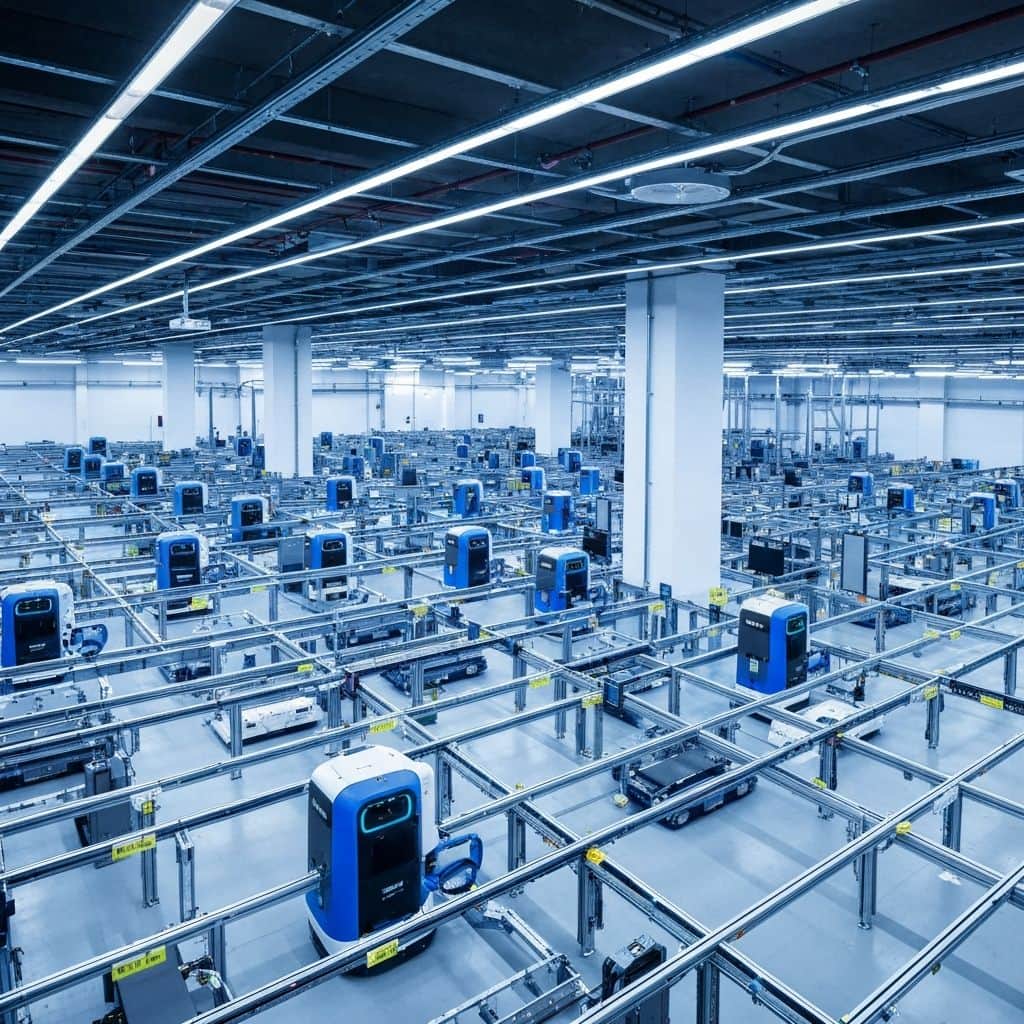
Three generations of warehouse automation in a decade. The hardware is almost secondary now. It's the software doing the heavy lifting.

As fraudsters adopt AI tools, payment providers and retailers are deploying increasingly sophisticated machine learning to protect transactions. Neither side is winning decisively, but the data advantage currently sits with the defenders.
Stay Connected
Join the conversation. Get the latest AI commerce insights, analysis, and industry news in your feed.
Large Language Commerce